

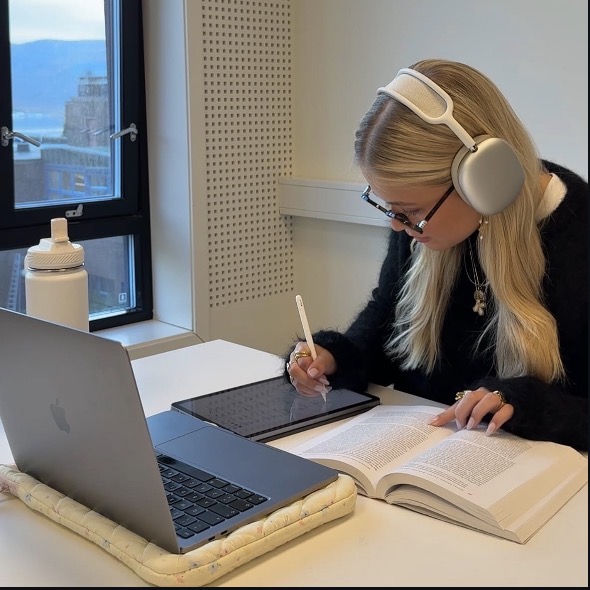
With Keystone Exams quickly approaching, students are wondering what the most efficient way for them to study is.
1) Active Recall
The active recall studying method is where one memorizes information and then recalls that information when testing oneself. This can be done through flashcards, practice problems, or self-quizzes to test the amount of information the brain retains. This is a good studying method for the Keystone Exams because it helps students store the information in their brains, strengthening long-term retention, to be able to recall it during the exam.
Senior Jenni Troung, who has passed all the Keystone Exams first try, believes active recall is the best studying method.
“Active recall was the best studying method for the Keystones because the more I understood the concept the more I remembered it,” Troung said. “Thinking about it and then repeating it helped me memorize easier than any other method.”
2) Spaced-Out Studying
This method practices spacing out studying time for the exam, rather than cramming it all into a singular night. Studying spaced out allows students to not get cognitive overload from the amount of information they need to retain for the exams. This method also allows for students to retain and memorize more information over a longer period of time to fully prepare. To best engage with this method, students should revisit all the topics on the exam multiple times to help them review and prepare.
Senior Mackenzie Turk, who also passed all her Keystone Exams first try, believes spaced out studying is the most important.
“Spaced out studying is the best method for the Keystone Exams because it helped me go over the information multiple times and get enough review where I felt completely prepared for the test,” Turk said.
3) Targeted Studying
The targeted studying method is where the students study the topics, they struggle the most with for a longer amount of time than the topics they’re already familiar with. For this method, the students break down the modules and then identify which sections they find the most challenging, so they can work on improving in that area. This method allows students to fully prepare in all areas of the Keystone Exam.
4) Full-Length Practice Tests
Full-length practice tests that are timed helps students understand their errors and really practice in a test-like environment. After taking the practice tests students should analyze their results and review the incorrect answers. Reviewing incorrect answers allows the student to guide their study and understand what questions they struggle with so they can improve their results. Full-length practice tests can be found on “Review Raw Materials for Keystone Exams – Penn Cambria School District Striving for Excellence in Public Education”.
5) Test-Day Traditions
Test-day routines are important in helping students prepare for exams too. For example, getting good sleep, eating a healthy and filling breakfast, getting snacks and water bottles ready and getting to testing locations early all help reduce stress and anxiety.
Biology teacher Kerri Younkin feels that test-day rituals are important.
“Students studying for biology exams should start early, using resources like flash cards or study games that help practice vocabulary,” Younkin said. “They can then connect concepts using webs or by partnering with someone to explain the concepts or quiz each other. The night before the test, be sure to get a good night’s sleep and eat well for dinner- and especially breakfast!”